What We're Learning From Your Scans
Every time you scan a coffee in Siip, you add a little to a bigger picture: what people are actually drinking. In the first months of 2025, that picture started to come into focus, and it told us a lot about the people using Siip.
It starts with roast. Medium roasts were scanned far more than anything else, and that makes sense to us. A medium roast keeps enough of the coffee's origin that you can taste where it came from, with enough roast to feel round and familiar, which makes it easy to like and easy to brew any way you want. Light and light-medium roasts came next, the coffees people reach for when they want fruit, florals and a bit of nuance. Dark roasts were a clear minority. For many of you, it seems, a coffee is more interesting for what it can show you than for how bold it can be.
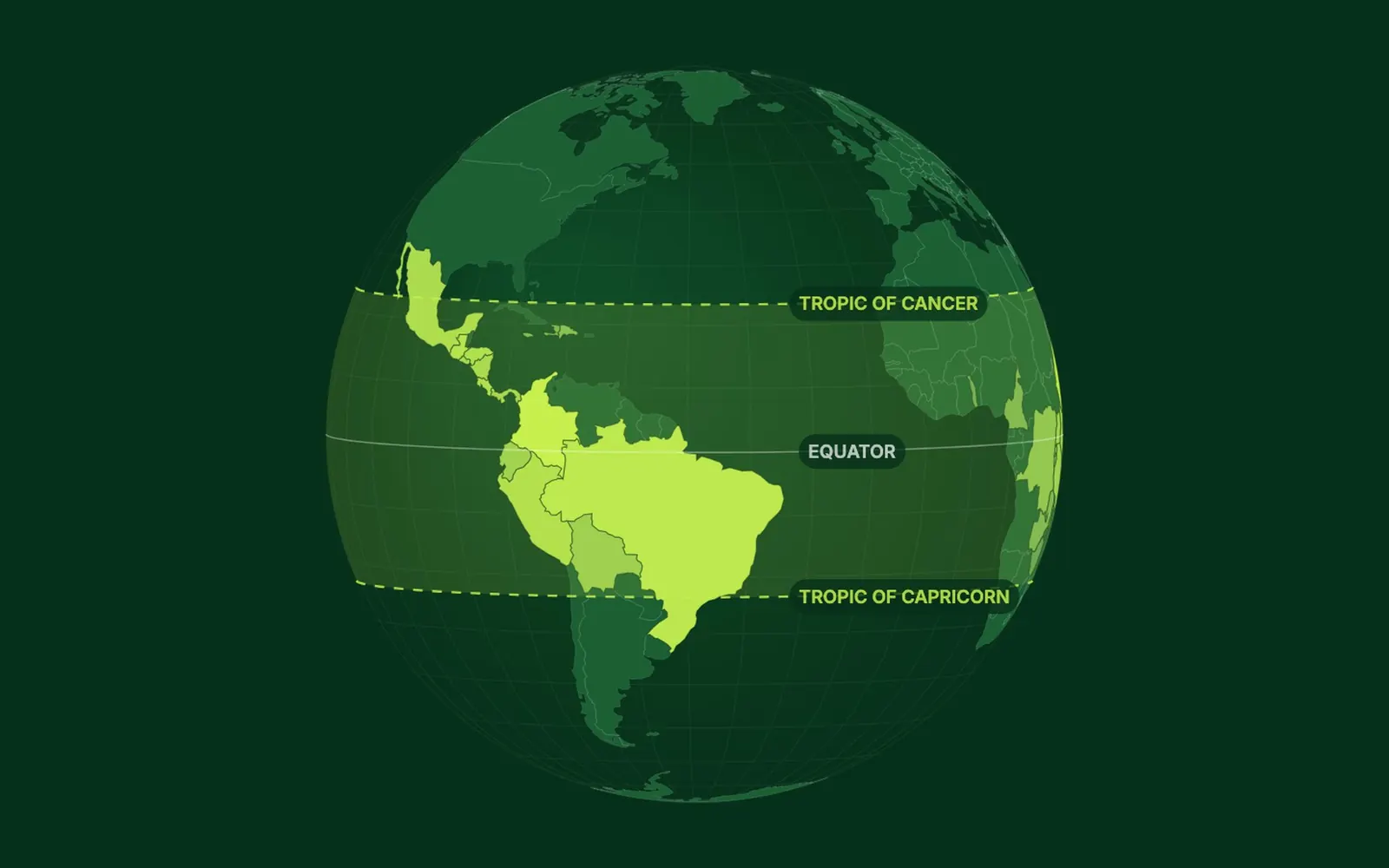
Then there is where those coffees come from. Ethiopia and Colombia led the first quarter. Ethiopia is a cornerstone of specialty coffee, known for floral, fruit-forward cups. Colombia is loved for how varied its coffees are, and for cups that are clean and balanced. Close behind came Central America, with Guatemala and Costa Rica, along with Peru and Kenya, in blends and single origins alike.
We also noticed the same farm and farmer names coming up again and again. Jairo Arcila, the Colombian farmer known for his experimental fermentations, was one of them. Volcan Azul, a celebrated Costa Rican farm with a name for consistent quality and new ideas, was another. And so was Cafe Rivense, a family-run project in Chirripó, Costa Rica, whose honey and natural coffees are roasted by roasters on four continents. People are starting to know the farms behind their coffee by name, and we love seeing that.
The same curiosity shows in how those coffees were processed. Washed and natural coffees were nearly tied at the top, one loved for its clean cup and the other for its fruit. Honey process coffees drew a lot of interest too, especially the red, yellow and black versions. Anaerobic fermentation is rising steadily, and newer methods like thermal shock and carbonic maceration, while still rare, are catching the eye of more adventurous drinkers.
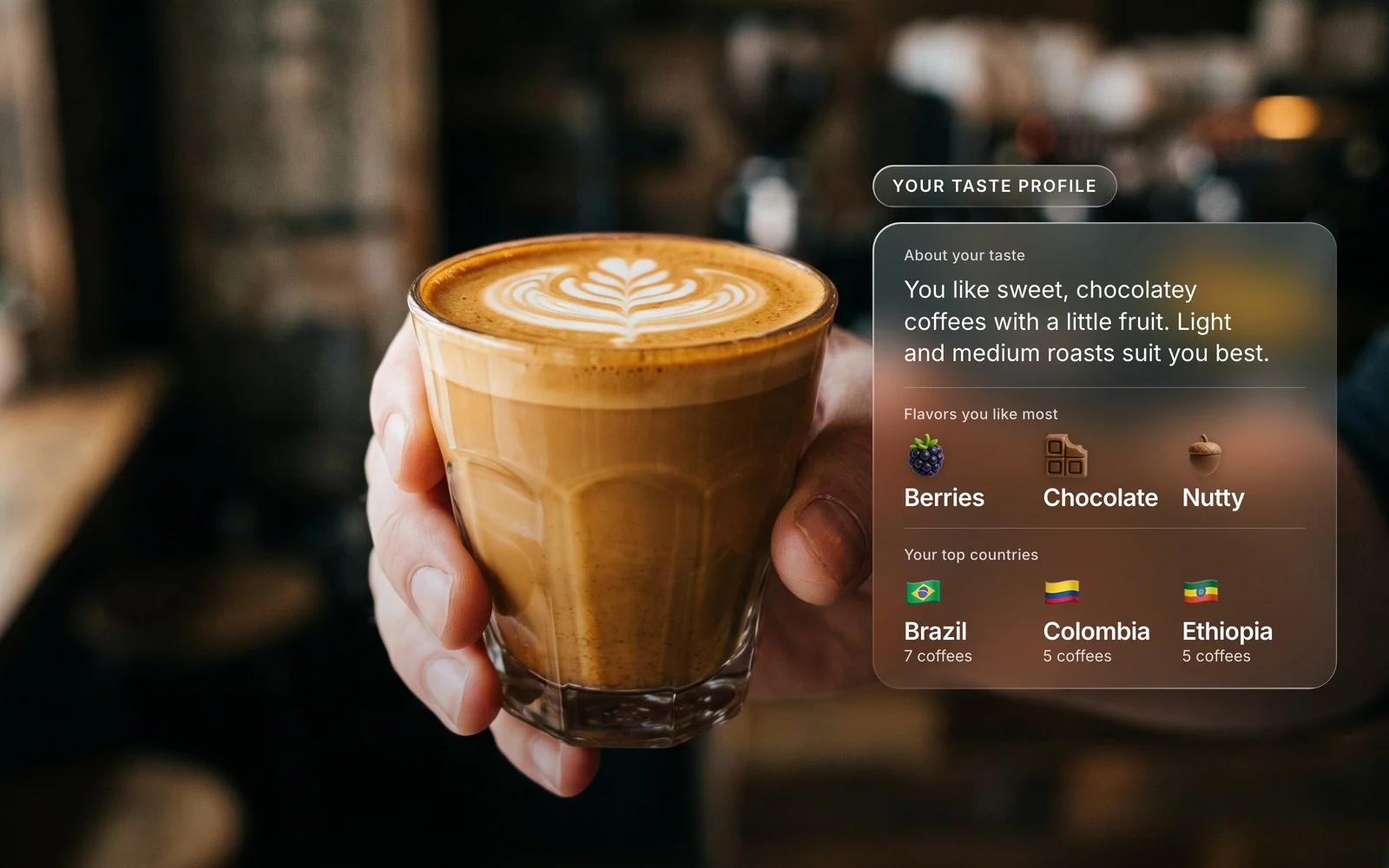
And then there are the flavors you are looking for. Sweet, dessert-like notes came up most: chocolate, caramel, honey and vanilla, the cozy and familiar side of coffee. Fruit was a close second, led by red fruits like cherry and apple, with citrus and tropical notes like lemon and mango bringing brightness. Nutty and grainy notes such as hazelnut, almond and oat often sat underneath the sweeter ones and gave them something to rest on. Tea-like and gently fermented notes (black tea, green tea, soft ferments) are showing up more often, a sign that more of you enjoy delicate, layered cups. And for fans of deeper roasts, molasses, burnt sugar and a little smoke rounded out the list.
Put all of that together and a picture of the Siip drinker appears: curious, engaged and eager to explore both where a coffee comes from and how it was made. You care about who grew it. You lean toward coffees with clarity, depth and meaning. And more and more, you are not just drinking coffee. You are learning about it.
That is the kind of journey we are proud to support.
Thanks for being part of it.
Nick
Cofounder & CEO