Spotlight: Indonesia
An archipelago of flavor, music, and memory, Explore Indonesia through the eyes of someone who’s learned its language cup by cup.
By Evan Gilman
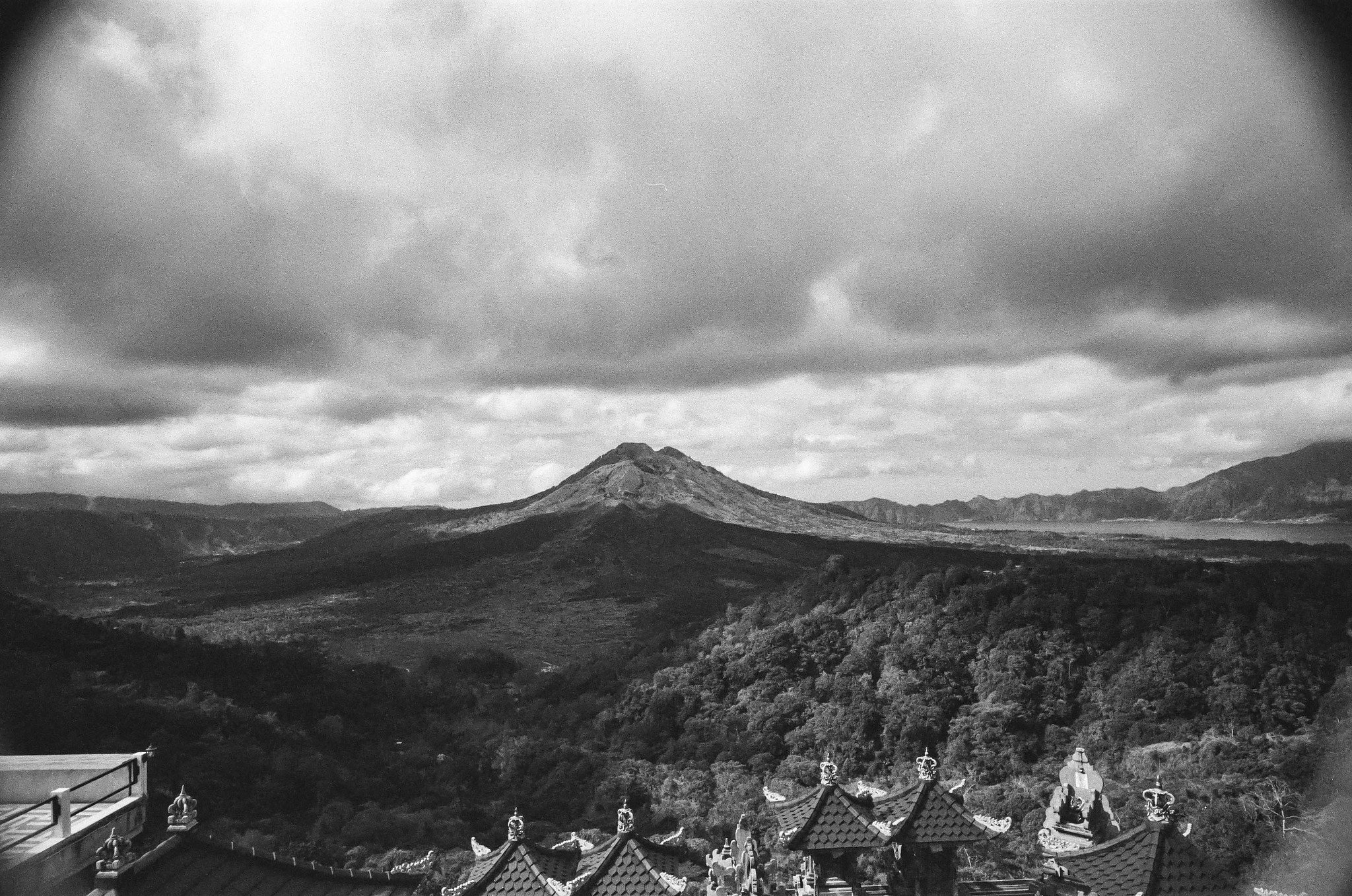
My connection to Indonesia began not with coffee, but with sound. As a child, I was captivated by the shimmering layers of gamelan music, nurtured by my parents’ record collection and their habit of taking me to concerts and workshops.
In college, those early impressions deepened. While working as a barista and studying music, I learned from a visiting Balinese composer at the University of Washington, took a year of Bahasa Indonesia, and eventually earned a scholarship from the Indonesian Consulate that led to my first trip.
I’ve returned to Indonesia many times since, and each visit reveals more complexity. The country stretches across more than 17,000 islands, home to nearly 700 living languages and microclimates ranging from misty cloud forests to sun-drenched savannas. Common misconceptions about its size lead many to believe Indonesia is a small place; Sumatra alone, from tip to tip, spans the same distance as Seattle to San Diego, and the country’s 1.5M producers account for roughly 5% of the world’s coffee supply.
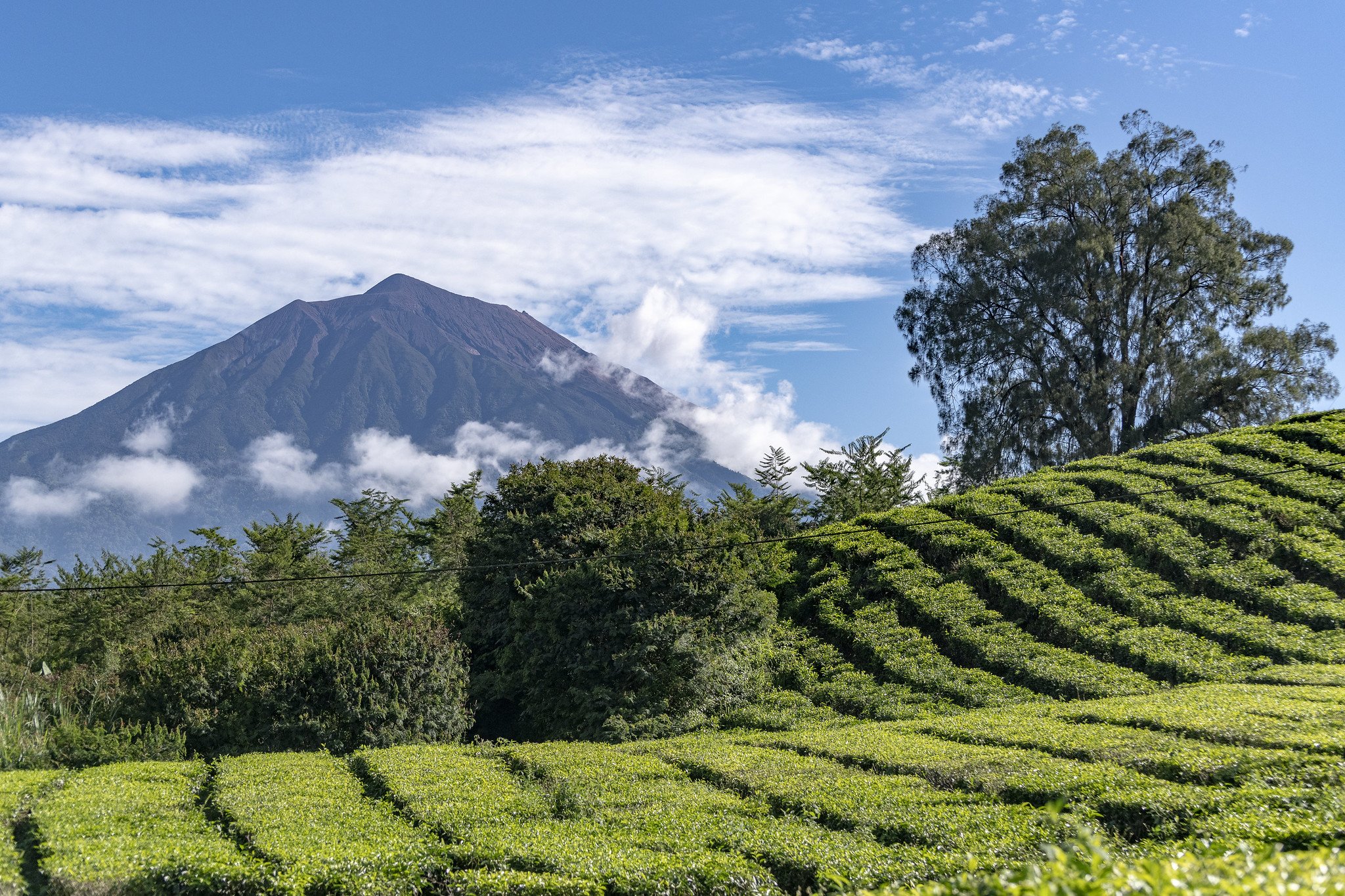
Coffee here follows that same story of diversity. When production began under Dutch colonial rule, most coffee was washed or semi-washed. After independence, Indonesia developed its own method: the wet hulling or giling basah process. This method proved more efficient, repurposing existing rice hullers, stabilizing moisture faster, and moving coffee through the supply chain more quickly. It also produced the earthy, herbal, and spiced flavors that remain a hallmark of Indonesian coffee today.
Yet coffee here is not bound by a single flavor profile. Indonesia’s domestic scene is buzzing with experimentation: fully washed coffees that taste sparkling and clean, fruit-fermented lots bursting with tropical brightness, and bold anaerobics or yeast-inoculated fermentations that challenge every assumption of what “Indonesian coffee” means. A limited but growing number of these experimental lots are reaching the international market, expanding palates and reshaping perceptions of what this origin can offer.
So take a page from my book and try something new from Indonesia the next chance you get. There’s always an exception to the rule in this remarkable country, and something new to discover at every turn.
About Evan:
Evan Gilman has been in the coffee industry since 2001, starting as a barista. As Creative Director for Royal Coffee, his responsibilities extend to events administration, CQI education, green coffee sourcing from Southeast Asia, outbound shipping, art curation for The Crown, and graphic design for print and web. He is proficient in Bahasa Indonesia, and has lived and traveled extensively in Indonesia in order to understand coffee trade, logistics, and regional distinctions.
About Royal Coffee:
Royal Coffee is a family-owned, independently operated importer of green coffee founded in 1978. Starting with just one bag of coffee, the company has grown and now warehouses coffee in Oakland, Seattle, Madison, Houston, Vancouver, and Shanghai. In 2025, Royal opened a second office in Addis Ababa, Ethiopia. More than half of Royal’s inventory is certified organic, and all offerings are backed by rigorous quality control and deep partnerships at origin. Royal serves roasters of all sizes, from home enthusiasts and startup roasteries purchasing single bags or small-boxes of coffee, to established operations managing multi-container contracts.