The Complete Guide to Coffee Brewing Methods: Finding Your Perfect Cup
At Siip, we believe great coffee should be accessible to everyone. While the world of specialty coffee can seem complex, each brewing method simply represents a different way of combining hot water with ground coffee to create your perfect cup. Let's explore eight popular brewing methods and discover what makes each one unique.
Pour-Over Methods: The Art of Manual Brewing
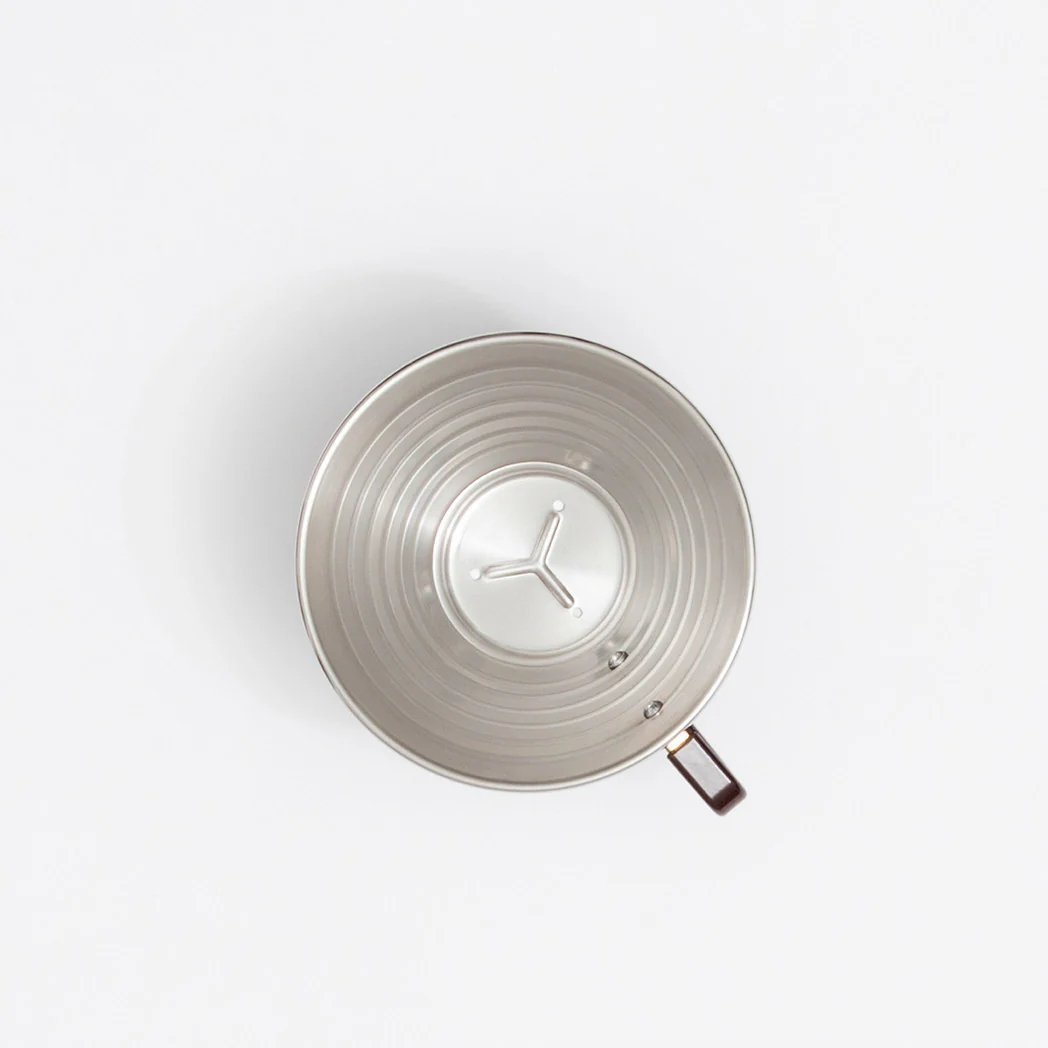
Kalita Wave
The Kalita Wave, developed in Japan in the 1950s, stands out for its thoughtful engineering. Its flat-bottom design with three small holes and wave-filter technology ensures that water distributes evenly through the coffee grounds. This consistent water flow means each cup has balanced flavors and is easy to replicate.
Advantages :
-
Remarkably consistent results, even with imperfect technique
-
Maintains optimal brewing temperature throughout the process
-
Excellent for developing pour-over fundamentals
-
Forgiving of minor variations in pouring technique
Disadvantages :
-
The controlled flow rate and flat bottom design can limit the coffee's full expression compared to the V60
-
Less ability to manipulate flow rate means less control over highlighting specific flavor notes
-
While you'll get consistently good cups, you might miss some of the brighter, more delicate flavors that a V60 can achieve
-
Limited by proprietary filters that are more expensive and harder to find than standard ones
Best For : Coffee drinkers who prioritize consistency and want excellent, balanced results without spending months perfecting their technique. Particularly good for medium roasts where the goal is to highlight the coffee's overall balance rather than specific bright or subtle notes.
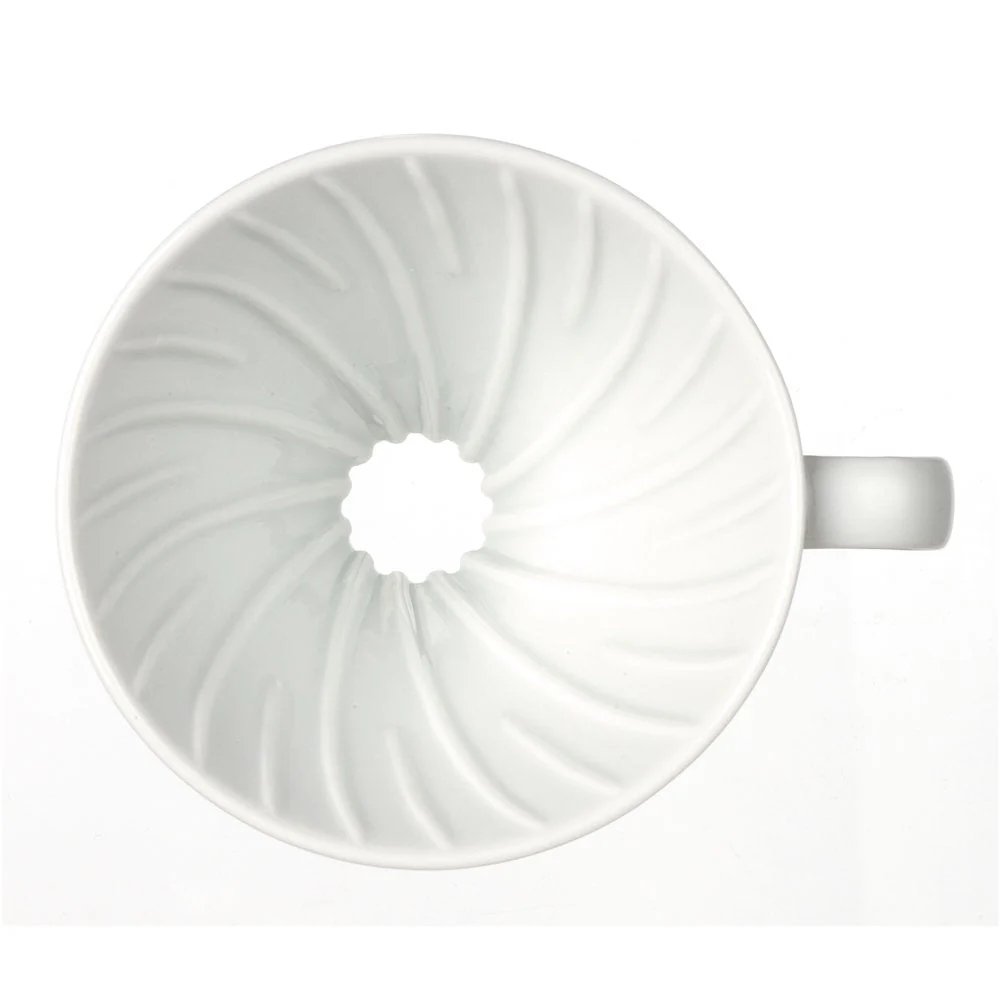
Hario V60
The V60's distinctive design, with its 60-degree cone and spiral ridges, has made it a favorite among coffee enthusiasts since its 2004 debut. The large single hole and ribbed walls allow you to control your pour speed and pattern, which directly affects how quickly water moves through the coffee. A slower flow rate means longer contact time between water and coffee, bringing out deeper, richer flavors. A faster flow rate can highlight brighter, fruitier notes while helping avoid bitterness.
Advantages :
-
Offers precise control over water flow, letting you emphasize different flavor aspects of your coffee
-
When pouring slowly with a steady hand, you can bring out rich chocolate and nut flavors
-
Quick, steady pours can highlight citrus and fruit notes while minimizing bitterness
-
The cone shape and large hole allow for this flow rate flexibility that flat-bottom brewers can't match
-
When mastered, produces brighter, cleaner cups than flat-bottom brewers
Disadvantages :
-
Small variations in technique can dramatically affect the final cup
-
Without proper technique, you can end up with under-extracted (sour) or over-extracted (bitter) coffee
-
Requires careful attention to pouring pattern and speed
-
Temperature control is more challenging due to faster drainage
-
The learning curve can mean weeks or months of inconsistent results while developing technique
Best For : Coffee enthusiasts who enjoy the practice and precision of brewing, and who want to explore the full range of flavors their coffee has to offer. Particularly excellent for light roasts and complex single-origin coffees where you want to highlight specific flavor notes.
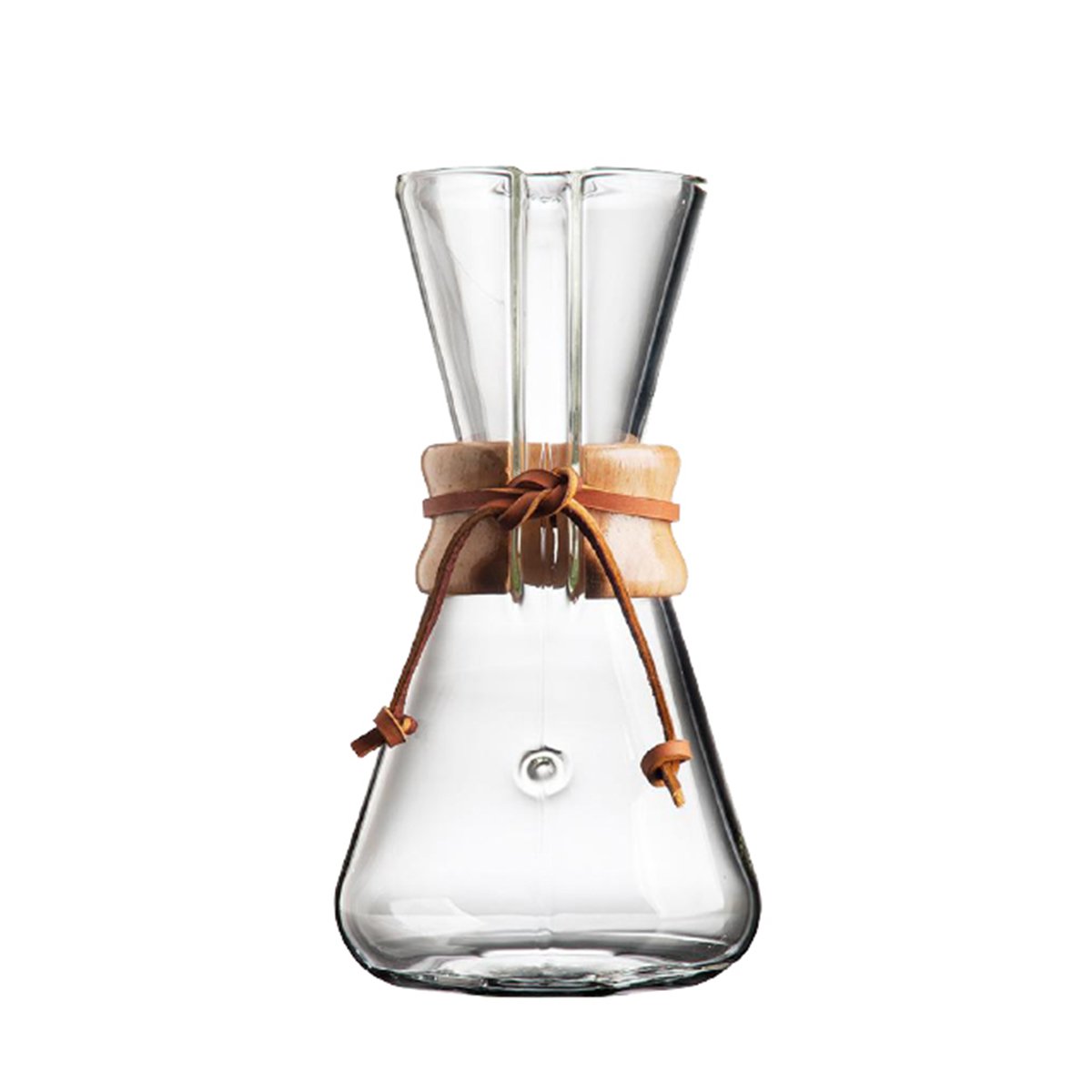
Chemex
The Chemex, invented in 1941 by Peter Schlumbohm, combines elegant design with chemistry-inspired functionality. Its thick paper filters and hourglass shape work together to create an exceptionally clean cup that showcases your coffee's subtle flavors.
Advantages :
-
Produces extremely clean, bright coffee with minimal oils
-
Excellent for highlighting subtle flavor notes
-
Can brew larger batches while maintaining quality
-
Beautiful design that's worthy of display
-
Thick filters remove most sediment and oils that can make coffee taste bitter
Disadvantages :
-
Expensive proprietary filters that can be harder to find
-
Slower brewing process than other methods
-
More challenging to maintain proper temperature due to glass construction
-
More difficult to clean due to shape
-
Less forgiving of pouring technique than the Kalita Wave
Best For : Coffee drinkers who prefer clean, tea-like coffee and appreciate both form and function. Ideal for light and medium roasts where clarity of flavor is desired.
Traditional Methods
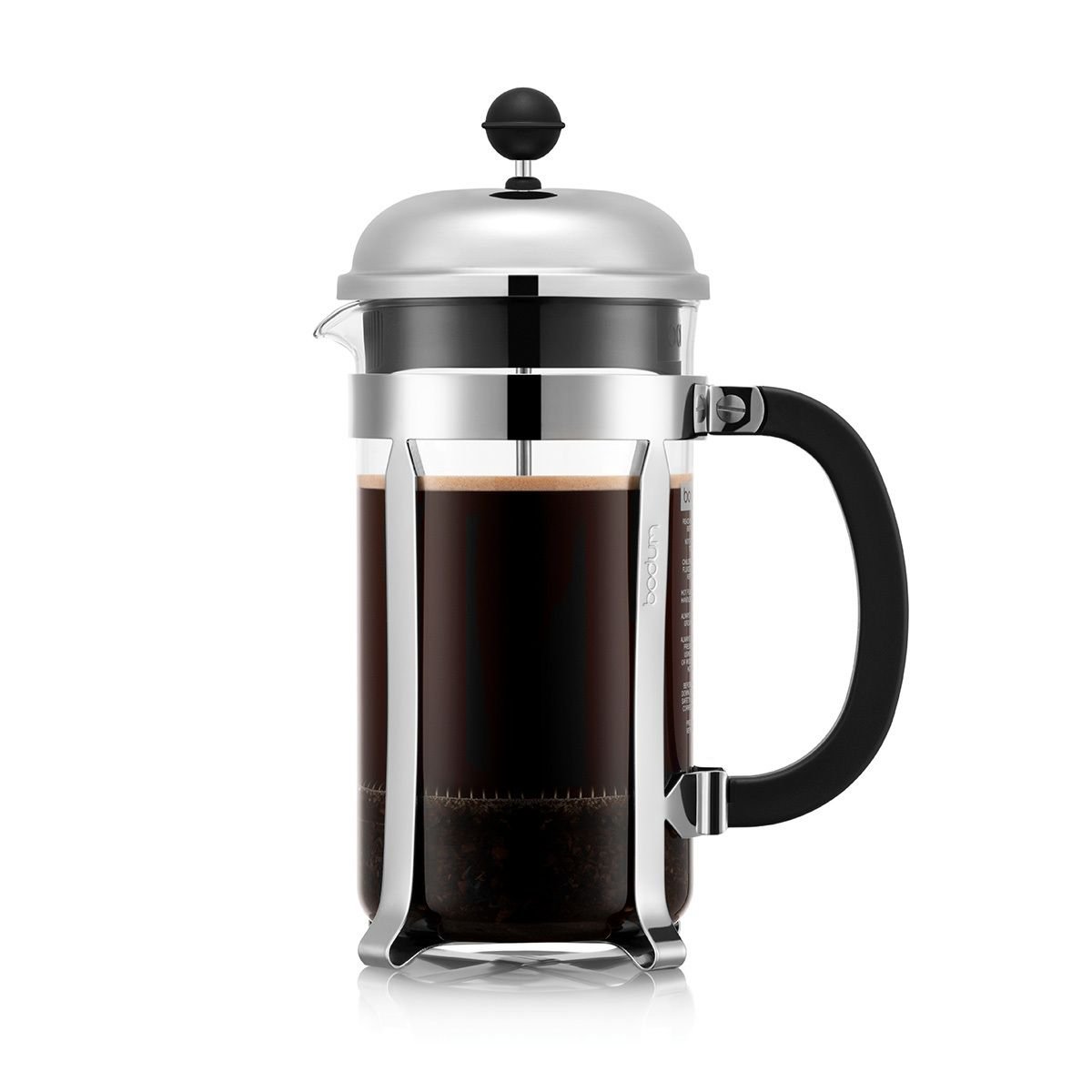
French Press
A classic immersion brewer that's been around since the 1920s. By steeping coffee grounds directly in hot water and using a metal mesh filter, the French Press creates a full-bodied cup that retains all of coffee's natural oils.
Advantages :
-
Produces rich, full-bodied coffee with maximum flavor oils
-
Simple and straightforward brewing process
-
No paper filters needed
-
Great for cold brew
-
Inexpensive and durable
Disadvantages :
-
Always has some sediment in the cup
-
Can be difficult to clean thoroughly
-
Less control over extraction compared to pour-over methods
-
Easy to over-extract if timing isn't watched
-
Not ideal for lighter roasts where clarity is desired
Best For : Those who enjoy bold, full-bodied coffee and prefer simplicity in their brewing process. Particularly good for medium to dark roasts.
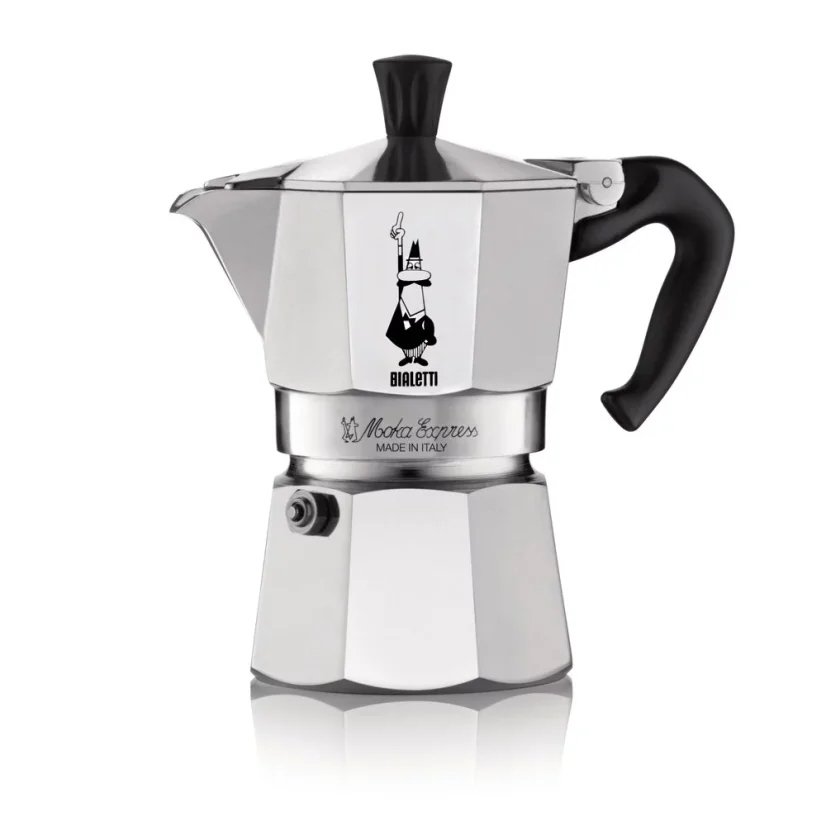
Moka Pot
Invented by Alfonso Bialetti in 1933, the Moka pot is an Italian stovetop brewer that uses steam pressure to create a rich, concentrated coffee. As water in the bottom chamber heats up, pressure forces it through the coffee grounds and into the upper chamber, producing a bold cup that sits between drip coffee and espresso in strength.
Advantages :
-
Creates rich, strong coffee without an expensive machine
-
Durable and can last for decades with proper care
-
No filters needed
-
Great for medium and dark roasts
Disadvantages :
-
Can produce bitter coffee if not used correctly (common mistakes include using water that's too hot or heating for too long)
-
Requires a heat source (not suitable for office environments)
-
Not ideal for light roasts as it can emphasize harsh notes
-
Cleaning can be awkward due to multiple parts
-
Less precise control over brewing variables compared to other methods
-
Can be dangerous if pressure release valve isn't maintained
Best For : Coffee drinkers who enjoy strong, full-bodied coffee and want something between regular drip coffee and espresso. Particularly good for those who enjoy traditional Italian-style coffee or want to make lattes and cappuccinos without investing in an espresso machine.
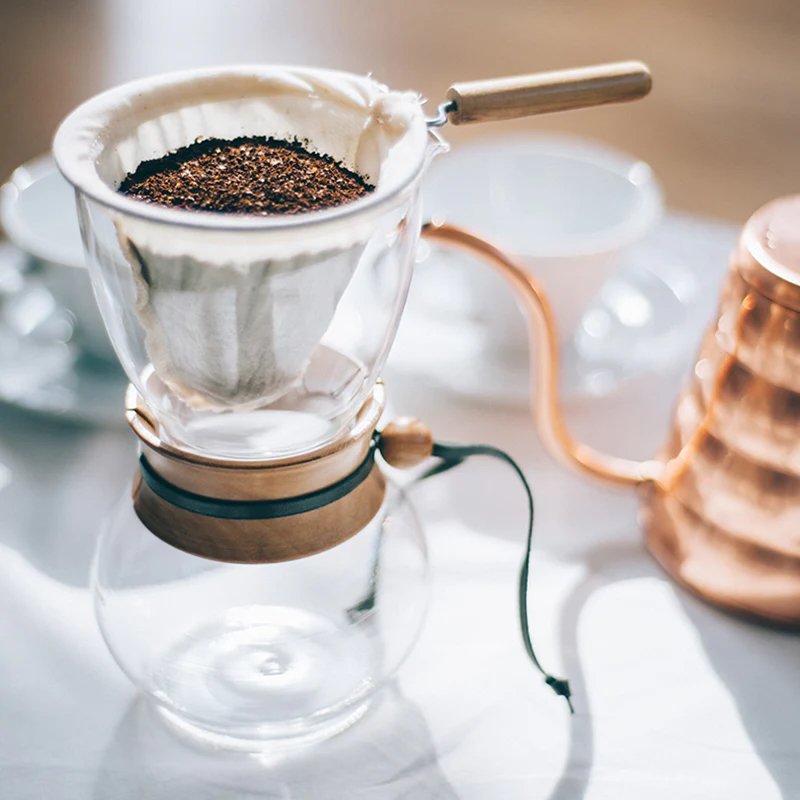
Woodneck (Drip Pot)
This traditional Japanese brewing method uses a cloth filter, creating a unique balance between clarity and body that paper filters can't match. The cloth allows some oils through while keeping sediment out, resulting in a distinct, silky cup.
Advantages :
-
Creates a unique texture that combines clarity with full body
-
Environmentally friendly with reusable filters
-
Produces distinctively smooth coffee with natural sweetness
-
Allows more oils through than paper filters but remains clean
-
Can highlight both brightness and richness in coffee
Disadvantages :
-
Requires careful filter maintenance and cleaning
-
Can develop off-flavors if filter isn't properly cared for
-
More time-consuming process than paper filter methods
-
Filters need regular replacement even with good care
-
Learning curve for proper filter preparation and maintenance
Best For : Coffee purists who appreciate the unique qualities of cloth filtration and don't mind the extra maintenance required for quality results.
Modern Innovations
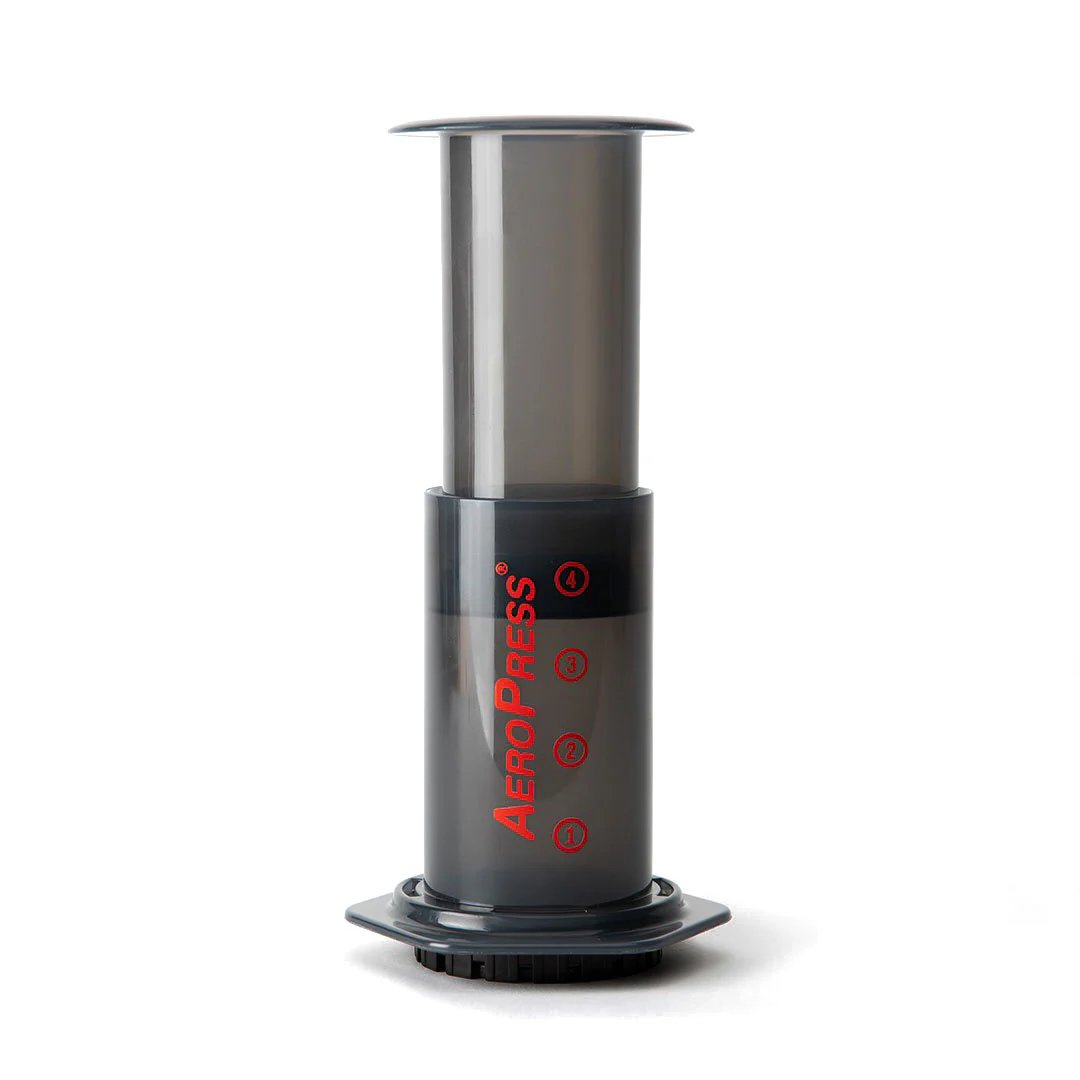
AeroPress
Invented by Alan Adler in 2005, the AeroPress has revolutionized personal coffee brewing with its unique pressure-brewing system. Using a combination of steeping and gentle pressure, it creates a concentrated coffee that can be enjoyed as is or diluted to taste.
Advantages :
-
Incredibly versatile - can make everything from espresso-style shots to American coffee
-
Fast brewing time (1-2 minutes)
-
Almost indestructible and perfect for travel
-
Easy cleanup with minimal waste
-
Affordable entry point into quality coffee brewing
Disadvantages :
-
Limited capacity (usually 1-2 cups per brew)
-
Multiple small parts to keep track of
-
Requires some physical effort to press
-
Can't make large batches for groups
-
Paper filters required for traditional method
Best For : Singles, travelers, and experimenters who value versatility and convenience. Great for any roast level and particularly good at bringing out the full flavor of medium and dark roasts.
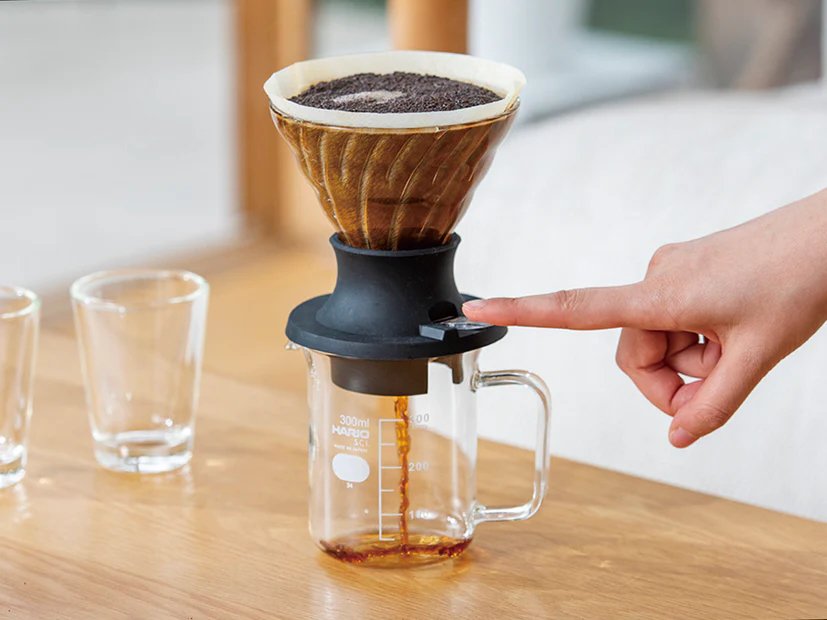
Hario Switch
The Switch is Hario's innovative hybrid brewer that combines the V60's design with the ability to steep your coffee before letting it drain. By adding a simple stopper mechanism to the V60's familiar cone, the Switch lets you combine the benefits of full immersion brewing (where coffee and water steep together) with the clean finish of a paper filter.
Advantages :
-
Combines the clean cup of a V60 with the fuller body of immersion brewing
-
More forgiving than the V60 while retaining much of its capability to highlight flavors
-
Can easily adjust steeping time to fine-tune your brew
-
Great for experimenting with different brewing styles
Disadvantages :
-
More expensive than a standard V60
-
Additional moving parts can wear out over time
-
Cleaning requires more attention due to the switching mechanism
-
Slightly longer brew time than a standard V60
-
Can't manipulate flow rate during the main brewing phase like a V60
Best For : Brewers who want V60-like results with more consistency and control. Excellent for those who like to experiment with different brewing techniques but don't want the steep learning curve of the V60.
Finding Your Perfect Match
The beauty of coffee lies in its diversity – there's no single "best" method, only what works best for you. When choosing a brewing method, consider:
-
Your morning routine and how much time you want to spend brewing
-
Whether you prefer brighter, cleaner flavors or fuller, richer ones
-
Your budget for equipment and accessories
-
How many cups you typically make at once
-
Your willingness to develop technical brewing skills
At Siip, we love to experiment with different methods. Sometimes we find that we enjoy different brewers for different occasions or types of coffee. The perfect cup is the one that makes you love your coffee.